
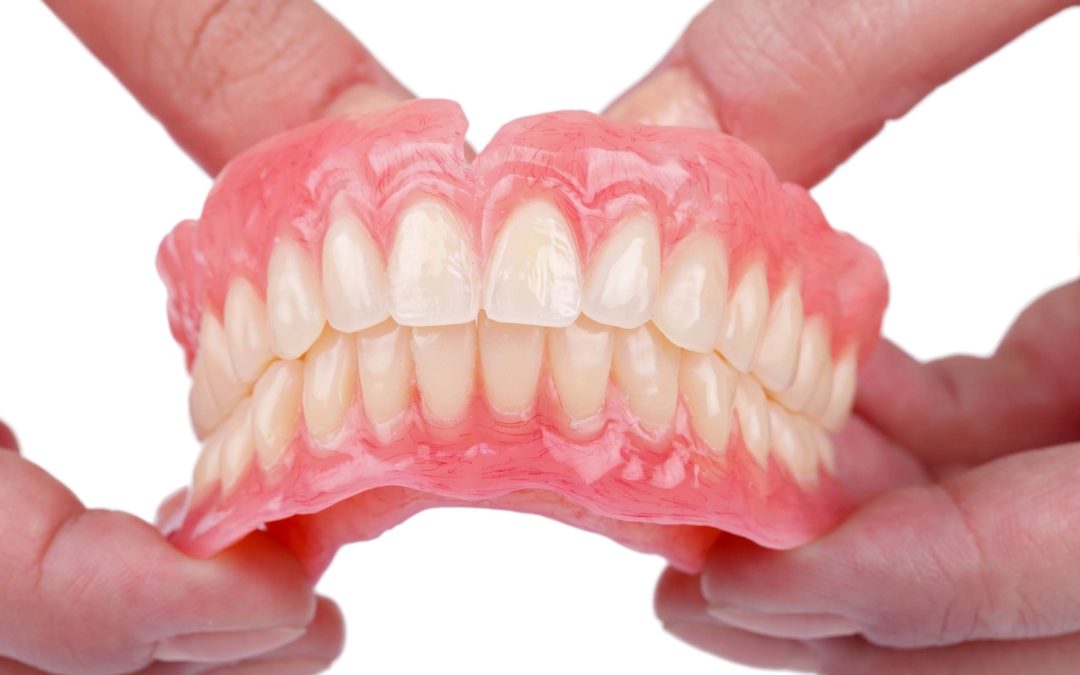
Loose dentures can turn simple moments into daily frustrations. Eating feels awkward. Speaking feels uncertain. Many people ignore early signs and hope things improve. However, denture movement rarely fixes itself. Instead, discomfort grows over time.
People often search for denture repairs in Southend-on-Sea after meals become stressful or conversations feel embarrassing. That search usually starts after confidence drops. Dentures should support daily life and not complicate it.
If dentures shift while chewing or talking, they affect far more than comfort. They influence nutrition, social confidence, and speech clarity. Fortunately, modern denture repairs offer reliable solutions.
With the right approach, people regain stability and peace of mind without major disruption.
How Loose Dentures Disrupt Eating Habits?
Loose dentures struggle to handle pressure during meals. They slide, lift, or rub against gums. This movement makes chewing inefficient and painful. Many people avoid tougher foods and stick to soft options. That habit reduces diet variety and enjoyment. The most common eating challenges are:
- Difficulty chewing evenly on both sides
- Food slipping under the denture base
- Gum soreness after meals
- Jaw fatigue during longer meals
Why Speech Changes When Dentures Lose Their Fit?
Dentures support the tongue and lips during speech. When dentures move, speech patterns suffer. Sounds like “s,” “f,” and “th” become harder to pronounce. Clicking or whistling noises may appear during conversation. Speech problems often appear suddenly. People notice slurring during phone calls or meetings. Loose dentures distract speakers and listeners alike.
What Causes Dentures to Become Loose Over Time?
Several natural changes affect denture fit. Jawbones shrink gradually after tooth loss. Gums also change shape with age. Daily wear adds further stress to denture materials. The common causes include:
- Natural bone and gum shrinkage
- Long-term daily use
- Minor cracks or worn bases
- Changes in bite alignment
How Denture Repairs Restore Comfort and Control?
Modern repairs focus on precision and comfort. Dentists reshape, reline, or adjust dentures to match current gum contours. These solutions improve grip and balance without full replacement.
Effective denture repairs can help in the following ways:
- Improve chewing stability
- Reduce gum irritation
- Enhance speech clarity
- Restore bite balance
When Repairs Work Best—and When They Do Not?
Repairs work well when dentures remain structurally sound. Minor looseness, discomfort, or speech issues respond quickly to adjustment. However, severely worn or cracked dentures may need replacement. Persistent pain or frequent breakage suggests further evaluation. Many patients seeking denture repairs in Southend-on-Sea benefit from prompt intervention before problems worsen.
The Importance of Timely Professional Assessment
Ignoring loose dentures leads to worsening discomfort. Gum irritation increases. Jaw alignment may suffer. Speech confidence drops further. Early assessment saves time and discomfort. Dentists evaluate fit, material condition, and bite balance together. This approach ensures safe and effective solutions tailored to daily needs.
Loose dentures affect more than comfort. They influence nutrition, communication, and self-confidence. Fortunately, timely denture repairs in Southend-on-Sea help restore stability and ease. For trusted guidance and personalised care, Southbourne Grove Denture Clinic Ltd offers reliable support for restoring comfort and confidence. Contact us now.